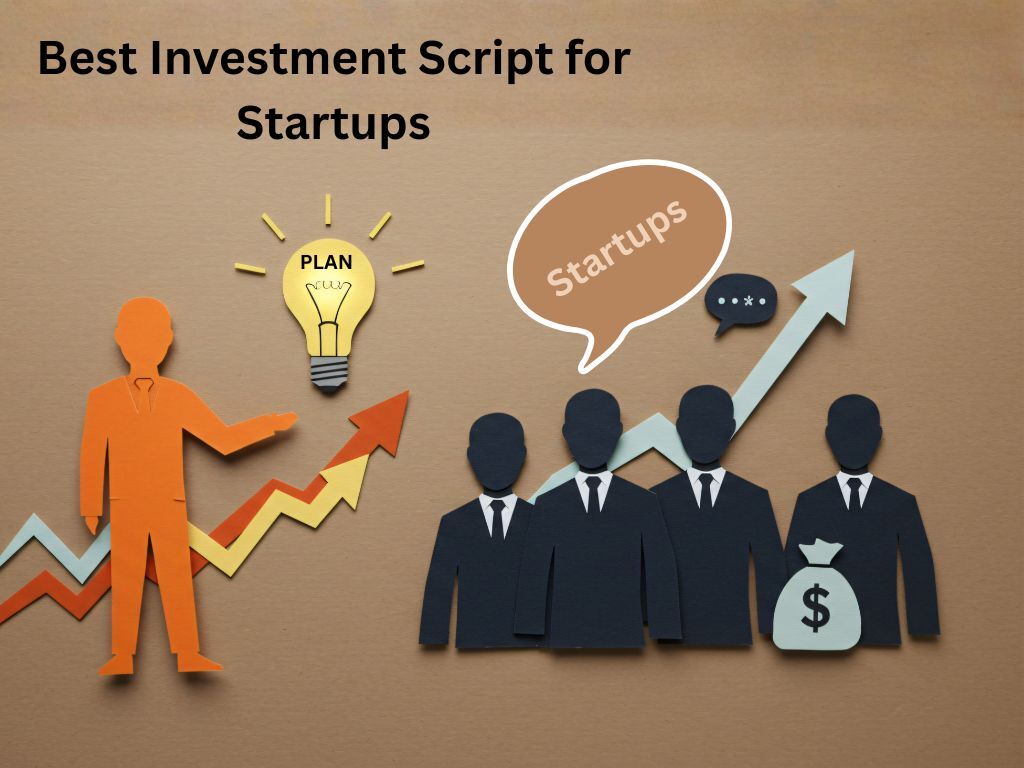
Choosing the best investment script for startups determines whether limited resources translate into successful platforms or wasted capital. Startups face unique challenges balancing feature requirements against budget constraints while competing against established platforms. This guide identifies optimal script characteristics enabling new ventures to launch professionally without breaking the bank.
Budget-Friendly Yet Feature-Complete Solutions
Startup success requires maximizing value from limited budgets. The best investment script for startups delivers enterprise-grade functionality at accessible price points. Quality solutions range from $299 to $999, providing automated ROI calculations, multi-level referral systems, payment gateway integrations, and comprehensive admin panels that would cost $15,000+ through custom development.
Feature completeness matters more than premium pricing. Scripts including cryptocurrency support, mobile responsiveness, security features, and customization capabilities enable competitive launches. Startups should prioritize platforms offering extensive functionality in base packages rather than requiring expensive add-ons for essential capabilities.
Time-to-market advantages prove crucial for startups. Ready-made investment scripts enable launches within 7-14 days compared to 3-6 months for custom development. This speed allows rapid market entry, early revenue generation, and valuable user feedback collection before competitors establish dominance.
Essential Features for Startup Investment Platforms
Automated systems reduce operational overhead enabling small teams to manage growing user bases. ROI calculation engines, scheduled payout processing, and referral commission tracking eliminate manual tasks that consume hours daily. According to research from MIT Sloan School of Management, automation reduces operational costs by 40-60% for financial platforms.
Payment flexibility accommodates diverse user preferences without requiring multiple costly integrations. Scripts supporting traditional processors like PayPal alongside cryptocurrency wallets attract broader audiences. Multi-currency support eliminates geographical barriers that could limit early growth potential.
Referral systems create cost-effective growth engines. Multi-level marketing capabilities transform satisfied users into active promoters reducing customer acquisition costs by 60-70%. For startups with limited marketing budgets, organic growth through referrals often proves more sustainable than advertising-dependent strategies.
Scalability for Growing Startups
Starting small doesn’t mean staying small. The best investment script for startups handles growth from 100 to 10,000 users without requiring platform migration or expensive infrastructure upgrades. Cloud-ready architecture and optimized database design ensure performance remains consistent as user bases expand.
Modular design enables feature additions without core system rewrites. As revenue grows, startups can add advanced capabilities like DeFi integration, tokenized assets, or AI-driven analytics. This extensibility prevents outgrowing initial platforms necessitating costly migrations disrupting operations.
Hosting flexibility supports budget optimization. Scripts functioning on shared hosting during early stages can migrate to VPS or dedicated servers as traffic increases. This gradual infrastructure scaling matches spending to actual needs rather than over-investing in unnecessary capacity.
Security Without Enterprise Costs
Security breaches destroy startup credibility instantly. Essential protections including SSL encryption, two-factor authentication, SQL injection prevention, and regular backups must be included regardless of budget constraints. Quality startup-focused scripts incorporate these features as standard rather than premium add-ons.
Compliance tools prevent legal complications derailing young businesses. Built-in KYC and AML capabilities address regulatory requirements without expensive third-party integrations. These features demonstrate operational professionalism while protecting against fraud that could threaten platform viability.
Regular security updates from active vendors maintain protection against emerging threats. Startups should avoid abandoned scripts lacking ongoing development regardless of attractive pricing. Active maintenance ensures platforms remain secure as new vulnerabilities are discovered.
Customization Within Budget Constraints
Brand identity differentiation helps startups compete against established platforms. White-label scripts allowing logo customization, color scheme modifications, and content personalization enable unique brand presentation. Multiple pre-designed templates provide professional starting points requiring minimal investment.
Source code access enables unlimited future modifications. While startups may lack immediate custom development needs, unencrypted code provides flexibility as businesses evolve. This future-proofing prevents vendor lock-in that could become problematic as requirements change.
API availability supports integrations extending platform capabilities. Quality scripts provide documented APIs enabling connections to marketing automation, analytics platforms, or customer relationship management systems. These integrations enhance operational efficiency without requiring core platform modifications.
Support and Documentation for Non-Technical Founders
Comprehensive documentation reduces dependency on expensive consultants. Detailed setup guides, configuration instructions, troubleshooting resources, and video tutorials enable self-service implementation. For startups led by non-technical founders, quality documentation proves invaluable.
Responsive technical support prevents extended downtime during issues. Email and ticket support with 24-48 hour response times prove adequate for most situations. Live chat availability enhances support experience but shouldn’t command premium pricing startups cannot afford.
Community resources supplement official support channels. Active user forums and knowledge bases provide peer assistance for common questions. Vibrant communities indicate healthy products with satisfied user bases—positive signals when evaluating script options.
Cost Analysis and ROI Considerations
Total cost of ownership extends beyond initial script purchase. Monthly expenses including hosting ($20-$100), domain registration ($10-$15 annually), SSL certificates ($0-$100 annually), and payment gateway fees must be factored into budget planning. These ongoing costs typically total $50-$150 monthly.
Revenue projections should guide investment decisions. Platforms attracting 100 active investors averaging $200 deposits generate $20,000 in managed capital. Even conservative 5% monthly returns enable substantial operator revenue justifying initial software investment within weeks.
Reinvestment strategies accelerate growth. Successful startups allocate 20-30% of early profits toward marketing, additional features, and platform improvements. This reinvestment compounds growth advantages over competitors extracting maximum profits without strategic reinvestment.
Common Startup Mistakes to Avoid
Undercapitalization causes premature failures. Beyond software costs, startups need marketing budgets, operational reserves, and emergency funds. Planning for 6-12 months of operational expenses prevents desperate decisions when early growth proves slower than anticipated.
Over-promising returns attracts wrong investors. Unrealistic rate claims create unsustainable liabilities while attracting skeptical users expecting scams. Honest, achievable return promises build trust with quality long-term investors rather than deal-seekers abandoning platforms at first concern.
Neglecting legal guidance creates catastrophic risks. Even the best investment script for startups cannot ensure regulatory compliance without proper legal structuring. Investment in legal consultation prevents expensive corrections or shutdowns resulting from preventable mistakes.
Making Your Final Selection
Systematic evaluation prevents costly mistakes. Create comparison matrices scoring options across priority criteria: features (30%), pricing (25%), support (20%), security (15%), and customization (10%). This structured approach identifies optimal solutions aligned with specific startup needs.
Demo testing reveals interface quality and feature usability that specifications alone cannot communicate. Request trial access evaluating both user experience and administrative capabilities. Hands-on experience prevents surprises after purchase commitment.
The best investment script for startups balances immediate affordability with long-term capabilities. Strategic selection combined with effective execution creates foundations for profitable platforms serving investors while generating sustainable startup revenue and growth.