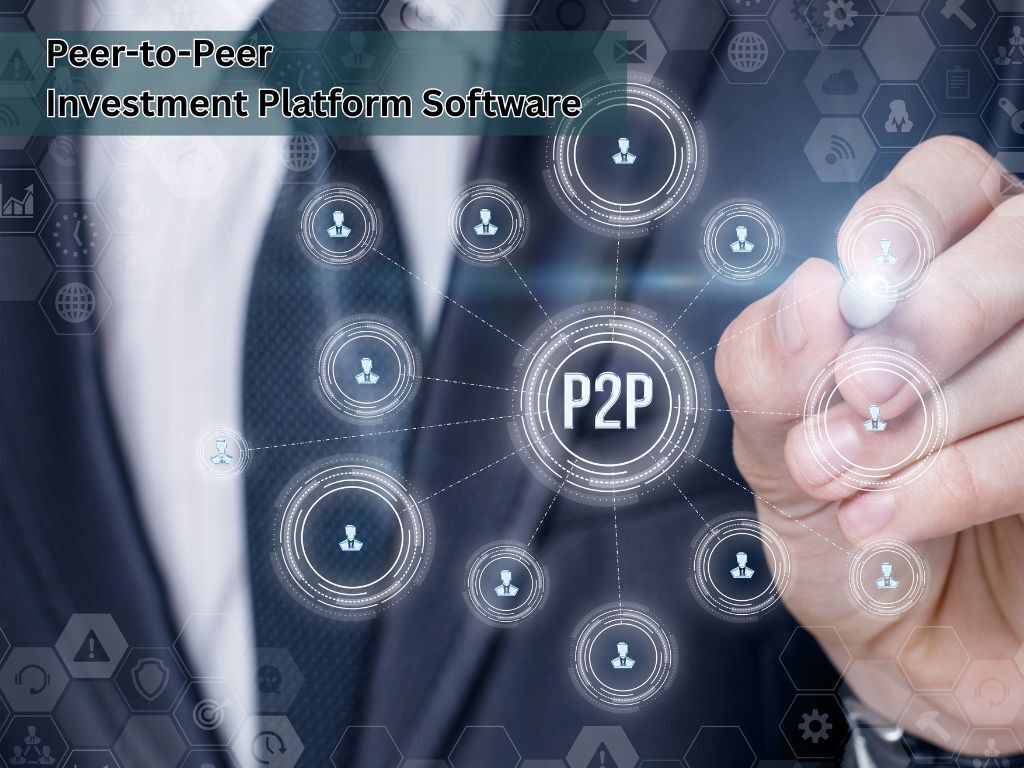
The financial world is no longer controlled only by banks and traditional institutions. Over the past few years, technology has changed how people borrow, invest, and grow wealth. One of the biggest transformations is the rise of peer-to-peer investment platform software. This model allows people to invest directly into opportunities without relying on conventional middlemen.
In 2026, peer-to-peer investment platforms are becoming a major force in fintech. Investors are looking for flexible ways to generate returns, while businesses and borrowers are searching for faster access to funding. This demand has created a rapidly expanding market estimated to exceed $200 billion.
For entrepreneurs, this creates a powerful opportunity. Building a peer-to-peer investment platform means entering a growing digital finance industry that values transparency, automation, and accessibility. The key is understanding how these platforms work, why they are gaining popularity, and what features make them successful.
Understanding Peer-to-Peer Investment Platforms
Peer-to-peer investment platforms connect investors directly with borrowers, businesses, or financial opportunities. Instead of routing transactions through banks, the platform acts as a bridge between two parties.
This approach simplifies investing. Users can browse opportunities, review potential returns, and allocate funds directly through an online system. Borrowers benefit because they gain quicker access to capital, while investors often receive stronger returns than traditional savings or fixed-income products.
The concept is simple, but the technology behind it is highly advanced. Modern platforms use automation, analytics, and secure payment systems to ensure smooth operations.
Unlike traditional finance, peer-to-peer investment systems are designed for digital-first users. They are faster, more transparent, and more flexible.
Why Peer-to-Peer Finance is Growing Rapidly
The growth of peer-to-peer finance is not accidental. Several market trends have pushed this model into the spotlight. One major factor is changing investor behavior. People want more control over their investments. Traditional financial institutions often limit flexibility. Investors may face high fees, long approval times, and restricted opportunities. Peer-to-peer platforms remove many of these barriers.
Digital transformation is another reason for rapid growth. Consumers are comfortable managing finances online. Mobile banking, crypto payments, and online investing have become normal parts of daily life. As a result, users expect platforms that provide instant access and simple navigation.
Economic uncertainty has also played a role. Investors are exploring alternative income sources. Peer-to-peer investment platforms offer options beyond stocks and traditional banking products. This creates strong demand for innovative solutions powered by peer-to-peer investment platform software.
The Technology Behind Peer-to-Peer Investment Platforms
Successful platforms rely on strong technology infrastructure. The software is not simply a website—it is a complete investment ecosystem. A modern system includes secure databases, payment gateways, automation tools, and user dashboards. One of the most important elements is transaction management. Every deposit, withdrawal, and investment must be processed quickly and securely.
Another key component is data analytics. Investors want visibility into performance. They need dashboards showing earnings, investment history, and portfolio growth. Automation also plays a large role. Platforms use smart workflows to match investors with opportunities, process payments, and distribute earnings. Many startups begin with a P2P investment script to reduce development complexity and speed up launch timelines.
Key Features of Peer-to-Peer Investment Platform Software
A strong platform must offer more than basic investment functionality. Users expect a smooth and professional experience. The first feature is user registration and verification. Security begins at onboarding. Platforms need identity checks to maintain trust and reduce fraud. Investment dashboards are equally important. Investors want to monitor performance in real time. A clean dashboard improves engagement and retention.
Payment integration is another essential feature. Users should be able to deposit and withdraw funds easily. Portfolio tracking gives users transparency. Investors need to understand how their funds are performing across multiple opportunities.
Notifications and alerts also improve user experience. Real-time updates keep investors informed about transactions and earnings. Admin management tools help platform owners oversee operations. This includes user monitoring, analytics, and investment control. Together, these features create a complete peer-to-peer investment ecosystem.
Benefits for Investors
- Entrepreneurs launching peer-to-peer investment platforms gain multiple business advantages.
- Recurring revenue is one of the biggest benefits. Platforms earn income through transaction fees, commissions, and premium features.
- Scalability is another advantage. Digital platforms can grow rapidly without requiring physical branches or offices.
- Automation reduces operational costs. Tasks such as payment processing and reporting can be handled automatically.
- The platform model also encourages long-term user engagement. Investors return regularly to monitor portfolios and reinvest earnings.
- Before selecting the right technology stack, many startups browse P2P solutions to compare features, scalability, and customization options. This helps businesses choose software that aligns with their long-term investment goals.
- Choosing the right infrastructure creates long-term growth opportunities.
Benefits for Platform Owners
- Entrepreneurs launching peer-to-peer investment platforms gain multiple business advantages.
- Recurring revenue is one of the biggest benefits. Platforms earn income through transaction fees, commissions, and premium features.
- Scalability is another advantage. Digital platforms can grow rapidly without requiring physical branches or offices.
- Automation reduces operational costs. Tasks such as payment processing and reporting can be handled automatically.
- The platform model also encourages long-term user engagement. Investors return regularly to monitor portfolios and reinvest earnings.
- Many entrepreneurs browse P2P solutions to compare available technologies before selecting a development approach.
- Choosing the right infrastructure creates long-term growth opportunities.
How Peer-to-Peer Platforms Generate Revenue
Revenue generation is a major reason why fintech businesses are entering this space. Most platforms charge transaction fees. Each investment or withdrawal creates small commissions. Some platforms charge listing fees for borrowers or businesses seeking funding.
Subscription models are also growing. Investors may pay for premium analytics or advanced tools. Advertising and partnerships create additional revenue streams. Because peer-to-peer platforms attract ongoing activity, they can generate recurring income over time. This makes the business model attractive for startups and established fintech brands.
Security and Compliance Requirements
- Financial technology requires strong security practices.
- Users trust platforms with sensitive information and funds. This means software must include secure authentication and encrypted transactions.
- Identity verification helps reduce fraud. Platforms often include KYC procedures to confirm user identity.
- Data protection is equally important. Financial records and transaction history must remain secure.
- Regulatory compliance also matters. Rules differ across countries, so businesses need flexible compliance frameworks.
- Building trust through security is essential for long-term success.
Choosing the Right Development Strategy
Building a platform from scratch requires significant time and resources. For many startups, a ready-made solution offers a faster route to market. A P2P investment script allows businesses to launch quickly with pre-built features. Customization remains important. Every platform should have unique branding and functionality. Entrepreneurs should consider scalability, security, and future expansion before choosing a development approach. Technology decisions made early often determine long-term success.
Why Timing Matters in 2026
- The peer-to-peer finance market is entering a strong growth phase.
- Digital adoption continues to rise. Investors are becoming more comfortable with online platforms.
- Traditional institutions are slower to innovate, creating opportunities for fintech startups.
- Businesses entering now benefit from early positioning.
- Launching a platform today allows companies to build a user base before competition becomes even stronger.
- This makes 2026 a strategic time to enter the market.
Future Trends in Peer-to-Peer Investment Platforms
- The next generation of platforms will include more advanced technologies.
- Artificial intelligence will improve investment recommendations.
- Blockchain integration will increase transparency.
- Automation will reduce manual processes even further.
- Cross-border investing will expand opportunities globally.
- Mobile-first experiences will continue to dominate user expectations.
- These trends show that peer-to-peer finance is not slowing down—it is evolving rapidly.
- Businesses that adapt early will have a competitive advantage.
Building a Strong User Experience
Technology alone does not guarantee success. User experience is equally important. A platform should feel simple, intuitive, and trustworthy. Clear navigation helps users invest confidently. Fast loading speeds improve retention. Responsive mobile design ensures accessibility across devices. Investors prefer platforms that make financial decisions feel easy. This is why design and functionality should work together.
Steps to Launch Your Peer-to-Peer Platform
- The first step is defining your target audience.
- You need to understand who will use your platform and why.
- The next step is selecting software infrastructure.
- Many entrepreneurs choose to launch P2P platform solutions using ready-made systems to reduce development time.
- Testing is critical before launch. Security, transactions, and dashboards must work smoothly.
- Marketing also matters. Building awareness helps attract early users.
- Community building creates trust and encourages long-term engagement.
- A successful launch combines technology, branding, and strategy.
Final Thoughts
The rise of peer-to-peer investment platform software is transforming the finance industry. Investors want faster, simpler, and more transparent ways to grow wealth. Traditional financial systems are no longer the only option.
Peer-to-peer platforms create direct connections between investors and opportunities. This reduces barriers while increasing accessibility. For entrepreneurs, the market presents a major opportunity. With a projected value of over $200 billion, peer-to-peer finance continues to expand. The demand is strong. The technology is ready. The audience is growing. Businesses that enter this industry now have the chance to shape the future of digital investing. The real opportunity is not just building software—it is building the next generation of finance.