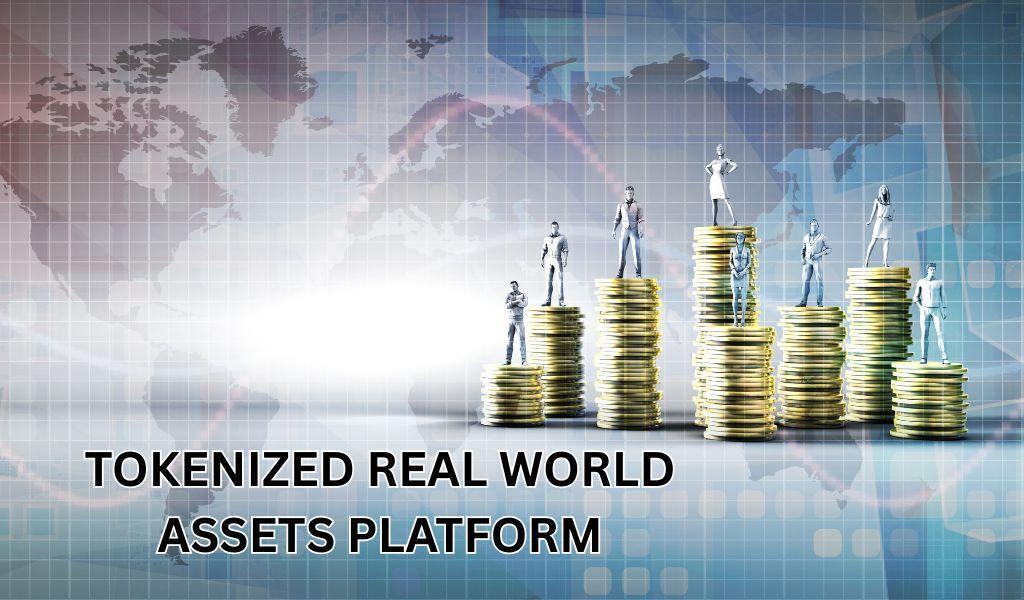
Real-world asset tokenization reached $24 billion in 2026, projected to hit $16 trillion by 2030. Tokenized real world assets platforms enable fractional ownership of property, bonds, commodities, and art through blockchain technology. This revolution democratizes access to investments traditionally requiring substantial capital.
Traditional RWA investments impose high minimum requirements—real estate typically demands $50,000-$500,000, bonds require $10,000-$100,000, and fine art investments exceed $1 million. Tokenization divides these assets into thousands of tokens, enabling fractional ownership starting at $100-$1,000.
Blockchain provides transparent ownership records and instant transferability. Smart contracts automate dividend distributions, rental income payments, and interest calculations. This automation reduces overhead while ensuring accurate timely payments to tokenholders.
Platform Infrastructure
Asset tokenization frameworks convert physical assets into digital tokens. Legal structures establish special purpose vehicles holding physical assets while issuing tokens representing ownership shares. These structures navigate securities regulations while providing blockchain benefits.
Trading mechanisms enable secondary market liquidity. Traditional real estate investments remain illiquid for years. Tokenized assets trade on digital exchanges, providing liquidity unavailable in conventional markets. This flexibility attracts investors valuing portfolio adjustment capabilities.
Custody solutions protect tokenized assets. Institutional-grade custody services hold tokens securely while enabling transfer capabilities. Multi-signature wallet systems require multiple authorities approving significant transactions, preventing unauthorized asset movement.
Asset Classes
Real estate tokenization leads adoption. Platforms tokenize commercial properties, residential complexes, and REITs. Investors access diversified real estate exposure without property management responsibilities. Rental income distributes automatically to tokenholder wallets monthly.
Debt instrument tokenization includes corporate bonds, government securities, and structured products. These tokenized instruments trade 24/7 versus traditional bond market hours. Settlement occurs instantly rather than T+2 standard settlement cycles.
Commodity tokenization enables gold, silver, and agricultural product exposure. Tokens represent physical commodity holdings in secure vaults. Investors gain commodity exposure without storage concerns or futures contract complexity.
Regulatory Framework
Securities regulations govern tokenized assets. Most jurisdictions classify tokens as securities requiring registration or exemption compliance. Platforms must navigate SEC, FCA, or equivalent regulatory requirements in operating jurisdictions.
KYC and AML procedures remain mandatory. Blockchain pseudonymity doesn’t exempt platforms from identity verification obligations. Robust compliance infrastructure ensures regulatory adherence while maintaining efficient user experiences.
Investment Benefits
Fractional ownership democratizes elite investments. Museum-quality art, prime commercial real estate, and institutional bonds become accessible to retail investors. This democratization creates massive new investor pools for traditionally exclusive asset classes.
Portfolio diversification improves through broader asset access. Investors construct truly diversified portfolios spanning real estate, bonds, commodities, and alternatives. This diversification historically available only to institutional investors.
Liquidity provision transforms illiquid investments. Real estate traditionally locks capital for years. Tokenized properties trade daily, enabling portfolio rebalancing or emergency liquidity access. This flexibility fundamentally alters RWA investment dynamics.
Platform Monetization
Transaction fees generate primary revenue. Platforms charge 0.5-2% on token purchases and sales. Secondary market trading creates ongoing revenue streams as tokens change hands.
Management fees provide recurring income. Annual fees of 0.5-1.5% of assets under management create predictable revenue. These fees compensate for asset management, compliance, and platform operations.
Implementation Challenges
Asset valuation requires professional appraisals. Regular valuations ensure token prices reflect underlying asset values. Independent appraisers provide objective assessments maintaining investor confidence.
Legal structuring proves complex across jurisdictions. Different countries impose varying requirements on tokenized securities. International platforms must navigate multiple regulatory regimes simultaneously.
Future Development
Cross-border tokenization will enable global asset access. European investors accessing US real estate or Asian bonds through single platforms. This globalization creates enormous market expansion opportunities.
Institutional adoption accelerates market maturity. Major banks and asset managers launching tokenization platforms brings mainstream credibility. BlackRock, Goldman Sachs, and JPMorgan exploring tokenization validates concept for traditional investors.
Explore tokenized RWA platforms for your investment business.